

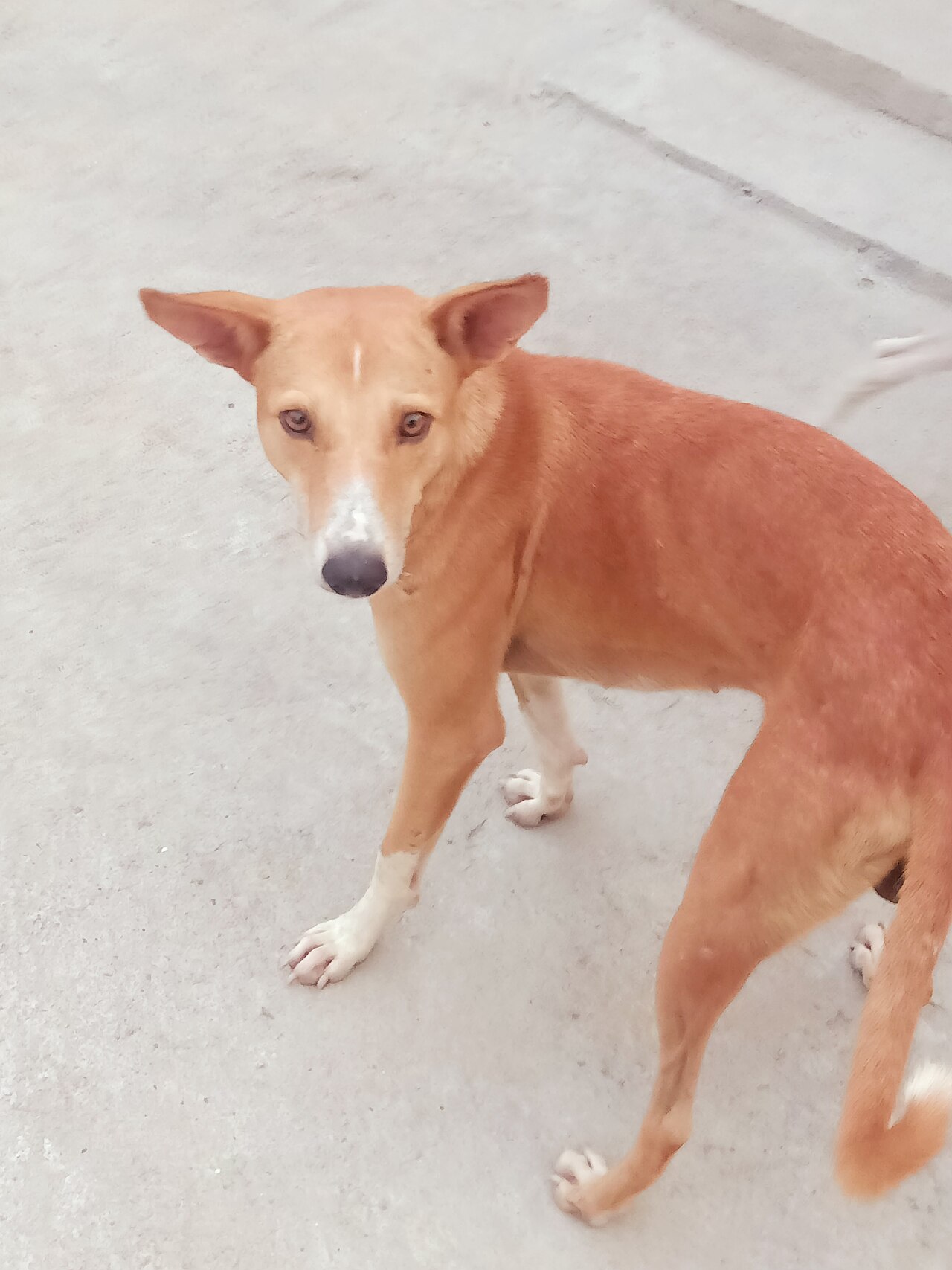
The Indian Pariah Dog, affectionately known as the "Indie" or "Desi Kutta," is an ancient, naturally evolved breed native to the Indian subcontinent. They are arguably the most suitable dogs for Indian homes, requiring minimal maintenance while offering maximum loyalty.
Growth & nutrition guide
Indie Dog (Indian Pariah) weight chart by age
Use this indie dog (indian pariah) puppy weight chart in kg as a growth-tracking reference. The goal is a steady, lean growth curve—not reaching the highest number as quickly as possible.
| Age | Typical weight | What to watch |
|---|---|---|
| 2 months | 2–4 kg | Rescue puppies can vary widely; prioritise a vet exam. |
| 4 months | 5–9 kg | Monitor deworming, vaccination and steady appetite. |
| 6 months | 8–15 kg | Lean growth supports developing joints. |
| 9 months | 11–20 kg | Body type differs significantly among Indies. |
| 12 months | 13–23 kg | Most height is established; muscle continues to develop. |
| 18 months+ | 15–25 kg | Adult maintenance and body-condition checks. |
Healthy adult range: roughly 15–25 kg. Individual sex, parent size, neuter status, activity and body condition can shift this range.
Indie dogs and rescued community dogs have especially diverse parentage and body frames. Use this as a broad Indian Pariah dog weight guide, then ask a veterinarian to assess your dog’s own body condition and growth trend.
Handling and Temperament
Indies are highly intelligent, incredibly alert, and deeply devoted to their families. Because they evolved to survive on the streets, they are independent thinkers and have sharp survival instincts.
Territorial Nature: They make excellent watchdogs. They are naturally wary of strangers and will fiercely guard their territory. Early and extensive socialization is critical to ensure they don't become overly reactive or fearful of new people.
Training: They learn quickly but get bored easily with repetitive drills. Keep training sessions short, fun, and highly rewarding.
Common Diseases in India
Here is where the Indie shines. Thanks to natural selection, Indies are virtually free of the genetic disorders that plague purebred dogs (like hip dysplasia or heart defects).
However, they are still susceptible to environmental diseases if not vaccinated:
- Parvovirus & Distemper: Highly contagious and often fatal viruses. Unvaccinated Indie puppies rescued from the street are at high risk.
- Tick-Borne Diseases: While more resilient than imported breeds, Indies can still contract Tick Fever if exposed to heavy tick infestations.
- Gastrointestinal Issues: Adopted street dogs may initially have sensitive stomachs or worms as they adjust to home-cooked food or kibble.
Prevention and Home Care
- Vaccination: A strict vaccination schedule is non-negotiable. Ensure they receive their core 9-in-1 and Anti-Rabies vaccines.
- Deworming: Regular deworming (every 3 months) is essential, especially for Indies that still have access to the outdoors or street environment.
- Diet: They thrive on almost any diet. A mix of boiled chicken, rice, eggs, and dog-safe vegetables works perfectly. Avoid overly spicy food or raw bones that can splinter.
Frequently Asked Questions
Are Indie dogs healthy?
Yes, they are generally much healthier and have longer lifespans (13-16 years) compared to many imported purebreds due to their strong, natural genetics.
Can I train an Indie dog?
Absolutely. They are brilliant problem-solvers. They respond best to positive reinforcement and building a bond of mutual respect, rather than forceful training methods.
Need Help Socializing Your Indie?
Indies are alert and protective. Our training programs can help socialize your Indie to ensure they are confident and polite around guests and other dogs.
Explore Training Programs