

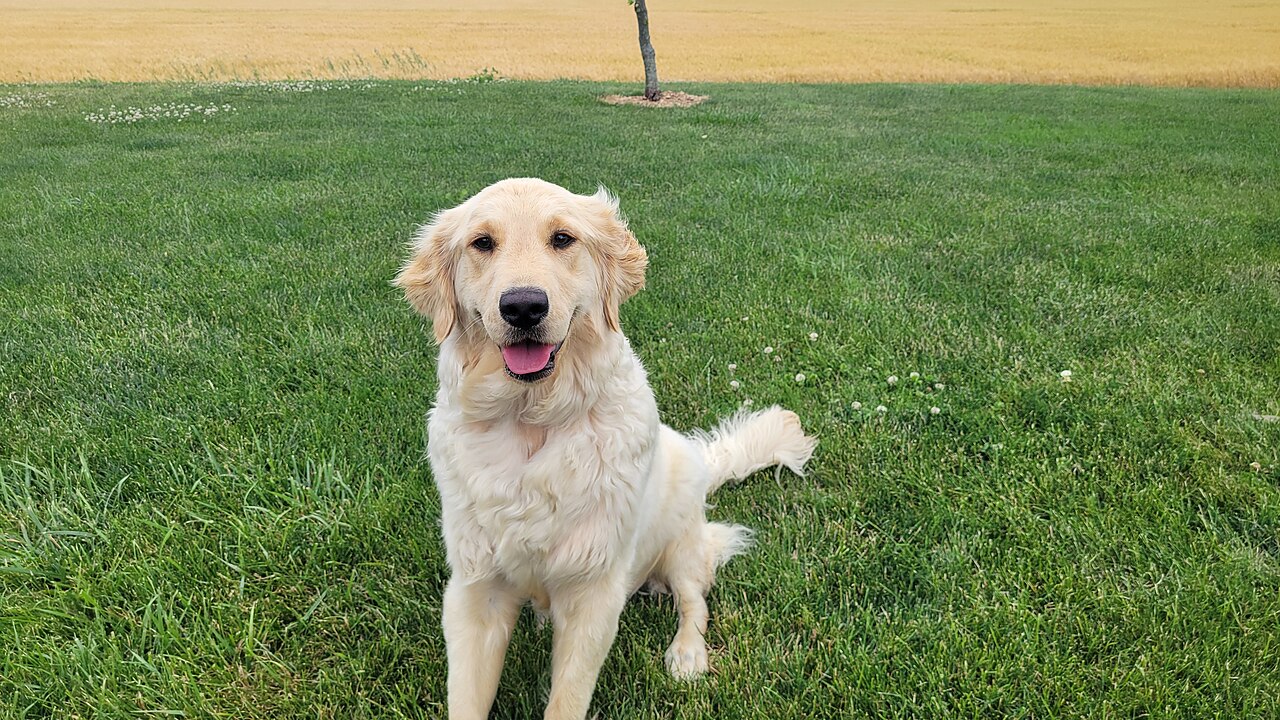
With their flowing golden coats and perpetually smiling faces, Golden Retrievers are one of the most beloved dog breeds in India. They are highly intelligent, incredibly gentle, and devoted to their families.
Growth & nutrition guide
Golden Retriever weight chart by age
Use this golden retriever puppy weight chart in kg as a growth-tracking reference. The goal is a steady, lean growth curve—not reaching the highest number as quickly as possible.
| Age | Typical weight | What to watch |
|---|---|---|
| 2 months | 4–6 kg | Use a complete large-breed puppy diet. |
| 4 months | 10–15 kg | Fast growth stage; avoid excess treats. |
| 6 months | 16–24 kg | Keep exercise controlled while joints develop. |
| 9 months | 21–30 kg | Adolescent stage; monitor coat and body shape. |
| 12 months | 24–33 kg | Height is close to adult; filling out continues. |
| 18 months+ | 25–34 kg | Adult maintenance and body-condition checks. |
Healthy adult range: roughly 25–34 kg (males are commonly at the upper end). Individual sex, parent size, neuter status, activity and body condition can shift this range.
These are broad planning ranges, not a feeding prescription. Ask your veterinarian to assess body condition, diet and growth rate—especially if weight changes suddenly or a puppy falls well outside its own growth trend.
Handling and Temperament
Golden Retrievers are famously patient and make phenomenal family dogs. They thrive on human companionship and consider everyone a friend.
Mental Needs: They are intelligent working dogs that need a "job" to do, even if that job is just carrying your newspaper or learning new tricks. Without mental stimulation, they can become destructive.
Shedding: Handling a Golden means handling hair. They shed continuously year-round in India, with heavy "blowouts" twice a year during season changes.
Common Diseases in India
Their thick coats and genetics make them susceptible to certain issues in the Indian climate:
- Heatstroke: Due to their heavy double coat, they overheat much faster than short-haired breeds during the Indian summer.
- Hip & Elbow Dysplasia: A genetic malformation of the joints common in poorly bred Retrievers, exacerbated by slippery marble/tile floors common in Indian homes.
- Ear Infections: Their floppy ears trap moisture and heat, making them prone to yeast and bacterial infections, especially during the monsoon.
Prevention and Home Care
- Managing the Heat: Never exercise them in the sun. Keep them in air-conditioned or well-ventilated rooms during the day. Provide ice-cold water.
- Floor Traction: If you have smooth tile or marble floors, place rugs or anti-slip mats around the house. Slipping constantly can cause severe damage to a growing puppy's joints.
- Ear Maintenance: Check and gently wipe the inside of their ears with a vet-approved ear cleaner once a week. Dry their ears thoroughly after a bath or swimming.
Frequently Asked Questions
Should I shave my Golden Retriever in the summer?
Never shave a Golden Retriever. Their double coat insulates them against the heat and protects their skin from sunburn. Instead, focus on regular brushing to remove the dense undercoat.
Are they good guard dogs?
No. While they might bark at a doorbell, they are too friendly to provide real security.
Professional Grooming at Home
Keep your Golden's coat healthy and mat-free without leaving your house with our doorstep grooming service.
Book Doorstep Grooming