

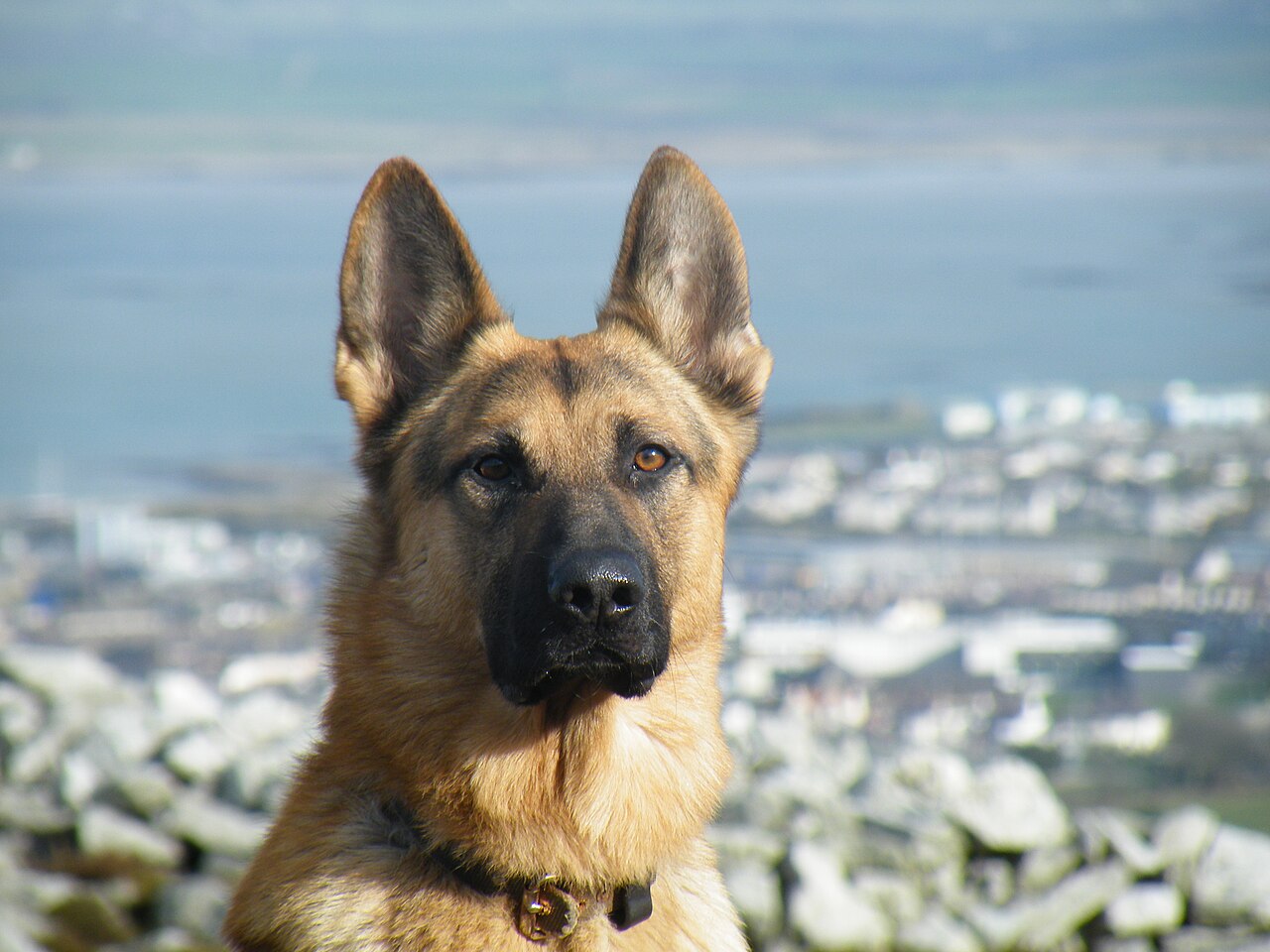
The German Shepherd Dog (GSD) is a symbol of loyalty, courage, and intelligence. Highly popular in India as family protectors and working dogs, they require an experienced, dedicated owner who can channel their immense energy into positive outlets.
Growth & nutrition guide
German Shepherd weight chart by age
Use this german shepherd puppy weight chart in kg as a growth-tracking reference. The goal is a steady, lean growth curve—not reaching the highest number as quickly as possible.
| Age | Typical weight | What to watch |
|---|---|---|
| 2 months | 5–9 kg | Avoid rapid gain during this joint-development stage. |
| 4 months | 14–18 kg | Use controlled exercise and non-slip flooring. |
| 6 months | 20–26 kg | A lean growth curve is more important than size. |
| 9 months | 25–32 kg | Adolescent body changes continue quickly. |
| 12 months | 27–34 kg | Most height is reached; muscle is still developing. |
| 18 months+ | 28–38 kg | Adult maintenance and regular joint checks. |
Healthy adult range: roughly 28–38 kg (females are commonly at the lower end). Individual sex, parent size, neuter status, activity and body condition can shift this range.
These are broad planning ranges, not a feeding prescription. Ask your veterinarian to assess body condition, diet and growth rate—especially if weight changes suddenly or a puppy falls well outside its own growth trend.
Handling and Temperament
German Shepherds form an unbreakable bond with their primary handler. They are naturally protective and aloof with strangers, making early socialization absolutely mandatory.
Exercise Needs: A simple walk around the block is not enough for a GSD. They require vigorous exercise (running, fetch, agility) and intense mental stimulation (advanced obedience, scent work) to stay balanced. A bored GSD will quickly become destructive and excessively vocal.
Socialization: In a busy Indian environment full of people, street dogs, and loud noises, a poorly socialized GSD can become highly reactive or aggressive out of fear.
Common Diseases in India
- Hip and Elbow Dysplasia: This is the most common and heartbreaking issue for GSDs. Poor breeding practices in India have led to many dogs inheriting joint problems.
- Gastric Dilatation-Volvulus (Bloat): Deep-chested dogs like GSDs are prone to this fatal condition where the stomach twists.
- Skin Allergies: They are prone to environmental and food allergies, often presenting as itchy, inflamed skin in the Indian heat.
Prevention and Home Care
- Joint Protection: Keep your GSD lean. Extra weight puts severe strain on their hips. Use carpets or mats over slippery Indian tiles while they are growing puppies.
- Preventing Bloat: Feed them two smaller meals a day rather than one large one. Do not allow vigorous exercise for at least 1 hour before and after meals.
- Socialization Routine: Safely expose your GSD puppy to traffic sounds, varying crowds, and other well-behaved dogs during their critical socialization window (8-16 weeks).
Frequently Asked Questions
Are German Shepherds hard to train?
They are highly trainable, but they require consistency. If you let them get away with bad behavior once, they will remember it. Positive reinforcement combined with clear boundaries works best.
Can they live in apartments?
Only if you are incredibly active. Without a yard, you must commit to multiple long, active sessions outside every single day.
Channel Their Energy with Advanced Training
German Shepherds thrive when they have a job to do. Our advanced obedience programs will challenge their minds and build a stronger bond between you.
Explore Training Programs